
Moved into a home with solar? Here's how to find out what you've inherited, check it's working, sort your power account and warranties, and decide what's next.
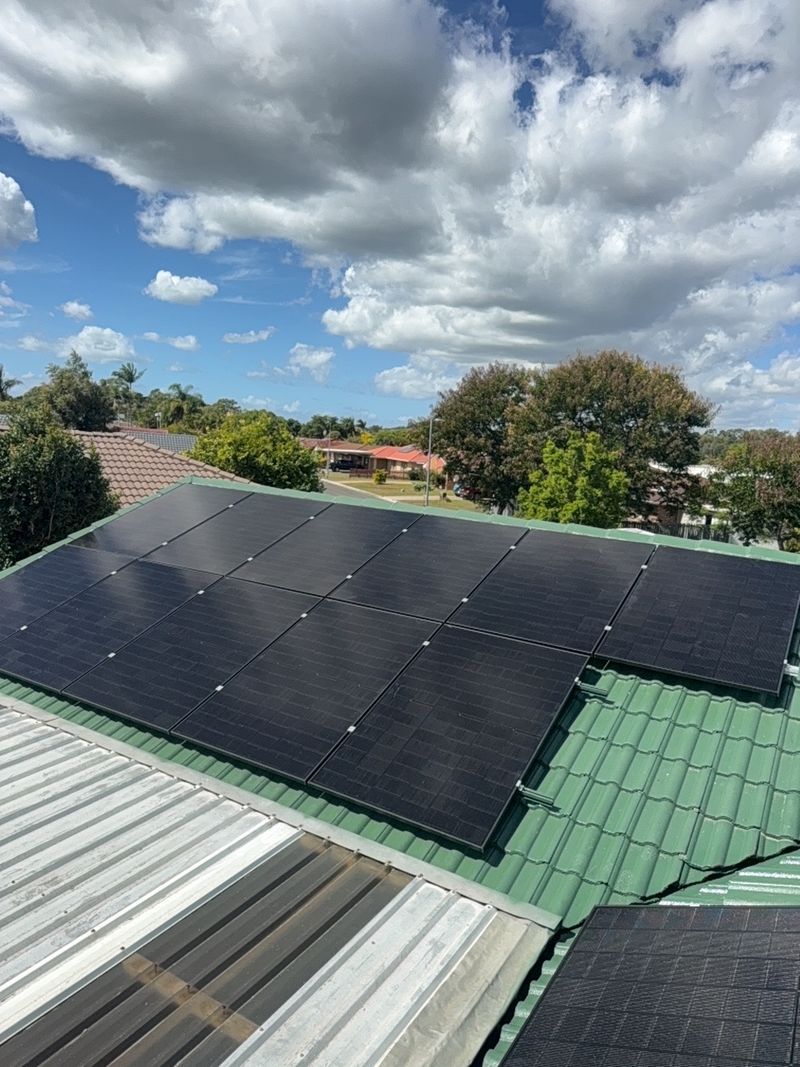
You've got the keys, the boxes are half unpacked, and there's a solar system on the roof that came with the house. Great. But do you actually know what it is, how old it is, or whether it's still pulling its weight?
Most new owners don't. The previous owner knew the system, the installer and the app login. Now it's yours, and you're starting with very little information. Here's how to check what you've inherited, step by step, without going near the roof.
Two numbers matter most: how big the system is and how old it is. You can usually find both from the ground.

Quick tip: Take a clear photo of the inverter label and every sticker near it, including any isolator labels. Save the photos with your house documents. Anyone who helps you later will ask for them.
A solar system can stop producing power and the house will keep running on grid power as normal. Nothing in the house will tell you. Here's how to check.
When you move in, you'll set up an electricity account with a retailer. Make sure they know there's solar on the property so your exports are recorded and credited.
In South East Queensland, there's no set rate for the electricity you export to the grid. Retailers set their own feed-in tariffs, so it's worth comparing offers rather than accepting the first one.
Some older Queensland systems are on the Solar Bonus Scheme, which pays 44c per kWh exported. If the seller mentioned it, here's the catch: according to the Queensland Government, a new owner or tenant doesn't receive the 44c tariff unless they're the previous account holder's spouse. The scheme is also closed to new customers and ends on 1 July 2028.
So work out your numbers on today's retail feed-in rates, not the old ones.
Solar systems usually have a few separate warranties:
Whether these transfer to a new owner depends on the manufacturer and installer, so check the terms. Contact them with the serial numbers and your proof of ownership, and ask what's still covered.

Rooftop solar runs at high DC voltage, and panels generate power whenever the sun is on them. That's why the safety side matters, especially with an older system you didn't choose.
Queensland's Electrical Safety Office has published recalls for several brands of solar DC isolator switches, including Avanco isolators sold in Queensland after 1 January 2012. If your system dates from the early 2010s, it's worth having the isolator brand checked against that list.
Keep it hands-off:
A once-over from a licensed electrician soon after you move in is a sensible step, particularly before Brisbane's storm season.
A system that suited a retired couple may not suit a family of five running air conditioning on 30-degree afternoons. Solar only saves you money when you use its power or get paid for exporting it.
Ask yourself:
There's no single right answer. It depends on the system's age and condition, your usage and your budget.
Adding a battery to existing solar isn't always plug and play. Some batteries connect on the AC side with their own inverter, which is often the simpler path for an existing system. Others need a compatible hybrid inverter. Older switchboards can also need work to meet current wiring rules when a battery goes in.
If you're weighing up a battery, our guide on what size battery you need is a good place to start. You'll find typical Brisbane price ranges for solar, batteries and upgrades on our Pricing Guide.
Quick tip: Before you pay for any upgrade, get the existing system checked first. There's little point adding a battery to an inverter that's on its way out.
No. The Queensland Government says a new owner or tenant doesn't receive the 44c tariff unless they're the previous account holder's spouse. The scheme ends on 1 July 2028 anyway.
Ask the agent to request it from the seller. Failing that, the inverter label and serial number will let a manufacturer or electrician identify the system and its likely age.
Check the inverter display on a sunny day, get access to the monitoring app and look for exported electricity on your bill. If any of those look wrong, have it checked.
If you've just moved into a home with solar in North Brisbane, Josh can inspect the system, explain what you've got and tell you honestly whether it's worth keeping, upgrading or adding to. Book your free energy assessment and start your new home with a system you understand.

Related