
Practical Brisbane tips for a full house over Christmas: safer outdoor lights, cooling without blowing the budget, the old beer fridge and making the most of your solar.
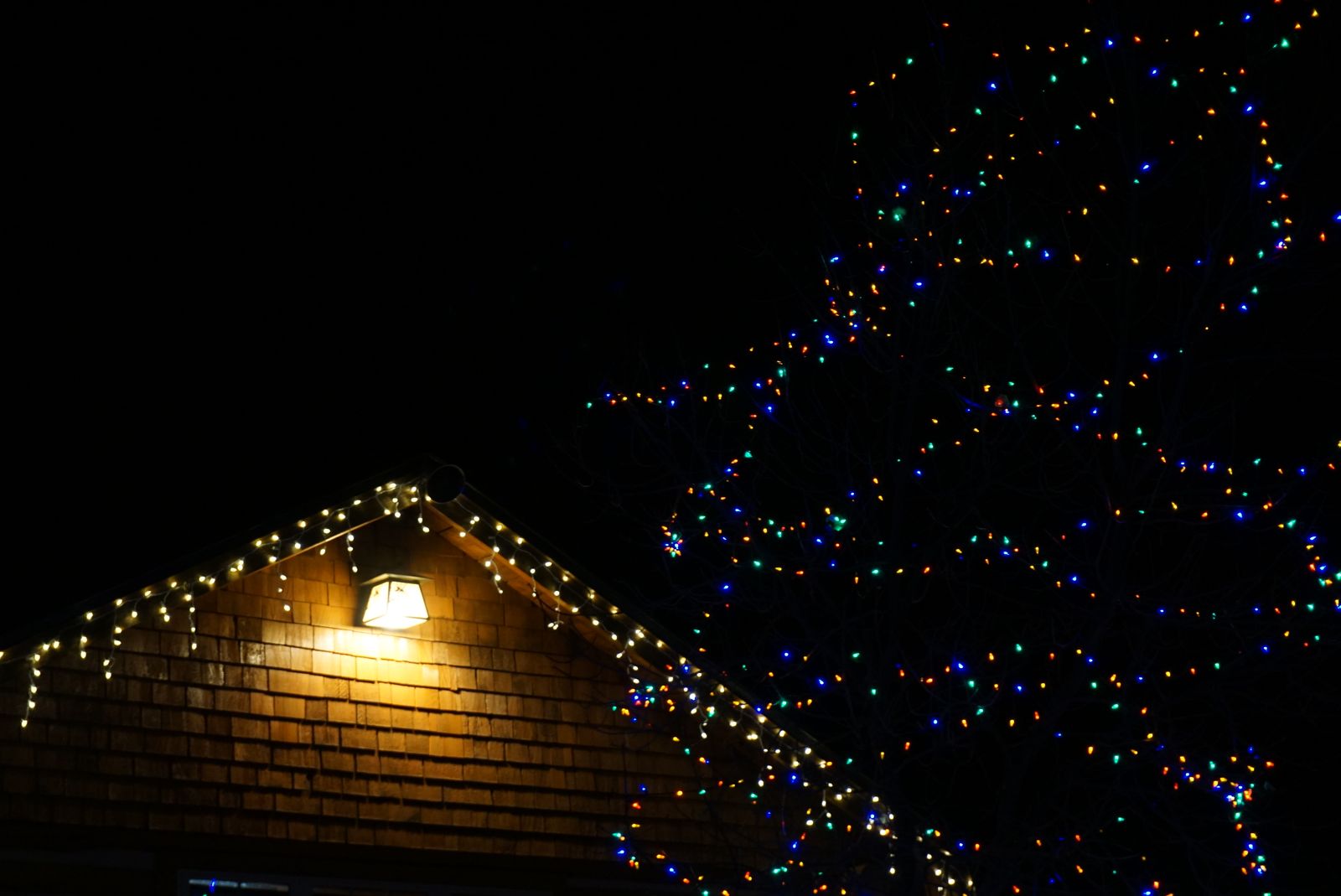
The rellos have arrived, the spare room is full, the esky is overflowing and the forecast says 35 degrees. Meanwhile the kids want the Christmas lights on from dusk until bedtime and the aircon has not had a day off in a week.
Brisbane's holiday season is great fun, but it is also when power use tends to climb. More people, more cooking, more cooling and a lot more fairy lights.
None of that means you need to be the household grinch. A few simple habits can keep your bill and your home safer while everyone enjoys the break. Here is how.
If your lights came out of a box that has lived in the garage since the early 2000s, it might be time to retire them. Older incandescent lights use far more power than LED versions and run hotter.
The Electrical Safety Office suggests considering LED, solar-powered or extra-low-voltage (12V or 24V) lights, which reduce the risk of shock, overheating and fire. They also tend to be cheaper to run.
A few easy wins:

Brisbane summer storms and Christmas lights are not a great mix. Before you start decorating the gutters, run through this list from the Electrical Safety Office:
Most importantly, make sure the circuit is protected by a working safety switch (also called an RCD). If you do not have one covering your outdoor power points, use a portable safety switch.
Quick tip: Test your safety switches before the lights go up. Press the "T" or "TEST" button on each one at the switchboard. It should trip off with a clunk. If it does not, call a licensed electrician. The Electrical Safety Office recommends testing every three months.
When the house is full and the heat is on, the air conditioner usually works hardest. A few habits help:
Every Aussie garage seems to have one: the old second fridge that comes alive at Christmas. It is handy for the extra drinks, but older fridges can use a lot more power than newer, more efficient models.
As a guide, Sustainability Victoria estimates a 350-litre fridge uses around 250 kWh a year at 4 stars, compared with about 422 kWh at 2 stars. An older fridge sitting in a hot Brisbane garage can work even harder.
A few simple fixes:

If you have solar, the middle of the day is when your panels are producing the most power. That makes it a good time to run the oven, dishwasher, washing machine and dryer.
On a time-of-use plan in the Energex area, the regulated Default Market Offer for 2026 to 2027 charges around 47.79c per kWh in the 4pm to 9pm peak, compared with around 6.98c in the 11am to 4pm off-peak. Many retailers' plans use similar time windows, so check your own bill to see what you pay.
Meanwhile, the solar you export to the grid typically earns only a few cents per kWh. Using it yourself is usually worth much more.
So a Christmas lunch cooked at midday, with the dishwasher running straight after, makes better use of your solar than a big roast at 6pm.
If you are escaping to the coast or visiting family over the break:
The Electrical Safety Office says LED, solar-powered and extra-low-voltage lights reduce the risk of shock, overheating and fire. You still need to buy compliant lights and use outdoor-rated ones outside.
The Electrical Safety Office recommends every three months. Press the test button on each safety switch. If it does not trip, have a licensed electrician check it.
If it only gets used occasionally, yes. Switching off a second fridge when it is not needed is one of the simplest ways to cut wasted power.
If you lose power, smell burning, see sparks or your safety switch keeps tripping, stay safe and call a licensed electrician. Never try to repair wiring yourself.
Advance Energy offers 24/7 emergency electrical callouts across North Brisbane, so if something goes wrong while the house is full, help is a phone call away. And if the holidays have you thinking about solar, a battery or simply getting your power bills under control in the new year, have a look at our Brisbane solar and battery pricing guide or book your free energy assessment with Josh.
From Josh at Advance Energy, have a safe and happy Christmas.
Related