
From 1 January 2027 all Queensland homes, including owner-occupied ones, must have compliant smoke alarms. Here is what the rules require and how to check your home.
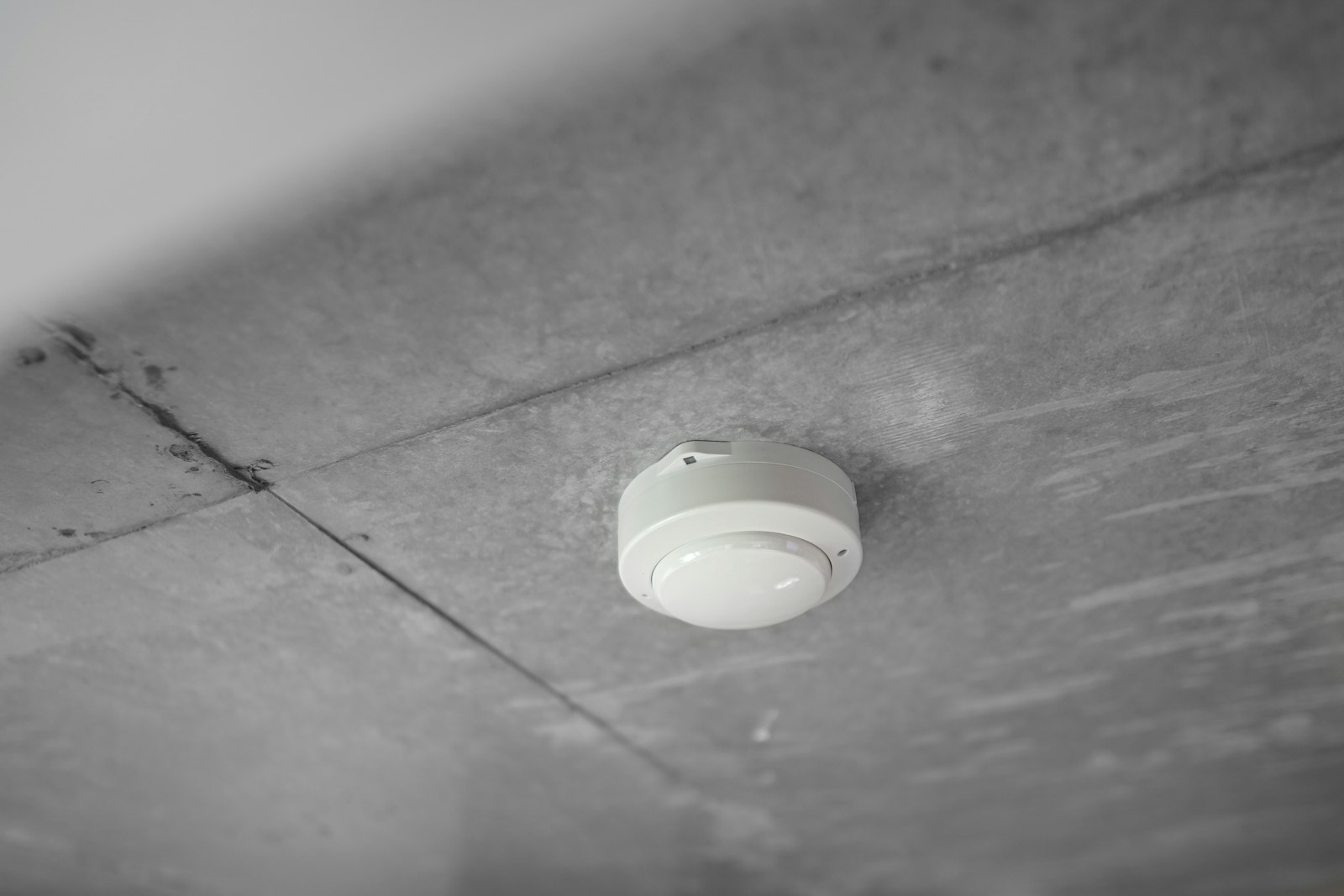
New Year's Day is usually about sleeping in and finding the leftover pavlova. In Queensland, 1 January 2027 also marks something less festive: the date every home in the state must have compliant smoke alarms.
Rentals and homes being sold have had to meet the new rules for a few years now. From 1 January 2027 the same rules apply to owner-occupied homes too, including houses, townhouses, units and manufactured homes.
If you own and live in your home and have not looked at your smoke alarms in a while, now is the time. Here is what the rules say, how to check your place in about ten minutes, and what to do if it falls short.
Queensland's smoke alarm laws were phased in, so different homes reached the deadline at different times:
Until the deadline, owner-occupiers who bought before 2022 only had to meet the older standard. From the new year, that grace period ends.
According to the Queensland Fire Department, every required smoke alarm must be:
One catch worth knowing: if your home already has hardwired alarms, they must be replaced with hardwired alarms. You cannot swap a 240V alarm for a battery-only one.

This is where many homes come up short. On every storey, you need an alarm:
Placement matters too. Alarms should go on the ceiling where possible, at least 300mm from corners and light fittings, and at least 400mm from air conditioning vents and ceiling fan blades. Moving air can push smoke away from the sensor and slow down the alarm.
For a typical three-bedroom, single-storey Brisbane home, that often means four or more interconnected alarms, not the one or two older homes tend to have.
Quick tip: Count your bedrooms, then count your smoke alarms. If the second number is not higher than the first, your home almost certainly needs work before 1 January.
Grab a ladder (and a second person to hold it) and work through each alarm:
If every alarm passes all five checks, you are in good shape. If not, it is time to plan an upgrade.
You are responsible for making sure your home has compliant, interconnected photoelectric alarms by 1 January 2027. You do not need to notify the Queensland Fire Department once the work is done, but keep your paperwork.
Rental properties should already comply. On top of installing compliant alarms, landlords must test and clean every alarm, and replace any flat or nearly flat batteries, within 30 days before a tenancy starts or is renewed. You need to give tenants 48 hours' notice to enter for smoke alarm work.
Tenants must test and clean each alarm at least once every 12 months, replace flat or nearly flat batteries during the tenancy, and tell the landlord or property manager if an alarm is faulty. No licence is needed to test or clean an alarm. Both parties must never remove, paint over or cover an alarm.
If you are selling, your alarms need to comply before the property transfers, and you declare compliance on the transfer paperwork (a Form 24).

Both options are compliant, so the right choice depends on your home.
If you already have an electrician coming out for something else, such as a switchboard upgrade, new lights or a ceiling fan, it can be worth sorting the smoke alarms in the same visit.
Quick tip: Do not leave it to the last week of December. The final phase of the rollout is likely to be busy, and the holidays are not the time to be chasing a booking.
Yes. From 1 January 2027 the rules apply to all Queensland homes, including owner-occupied homes bought before 2022.
You can fit photoelectric alarms with a non-removable 10-year battery yourself. Any hardwired (240V) alarm must be installed by a licensed electrician.
Not if they are photoelectric, AS 3786-2014 compliant, correctly located, properly powered and working when tested. They must be replaced once they reach 10 years old, or sooner if they fail a test.
The Queensland Fire Department does not need to be notified when you upgrade. It is up to each owner to make sure their home complies.
If you are unsure whether your alarms are compliant, or you need hardwired alarms installed or replaced, Josh can take a look. As a licensed electrician, he will check your existing setup, tell you plainly what needs to change, and, where bookings allow, install and certify hardwired alarms before 1 January. Get in touch with Advance Energy to book a time that suits you.
This article is general information based on Queensland Fire Department guidance at the time of writing. For the full requirements, visit the Queensland Fire Department smoke alarm page.

Related