
Brisbane storm season is here. What to check before a storm, why your solar shuts off in a blackout, and how to stay safe and claim insurance afterwards.
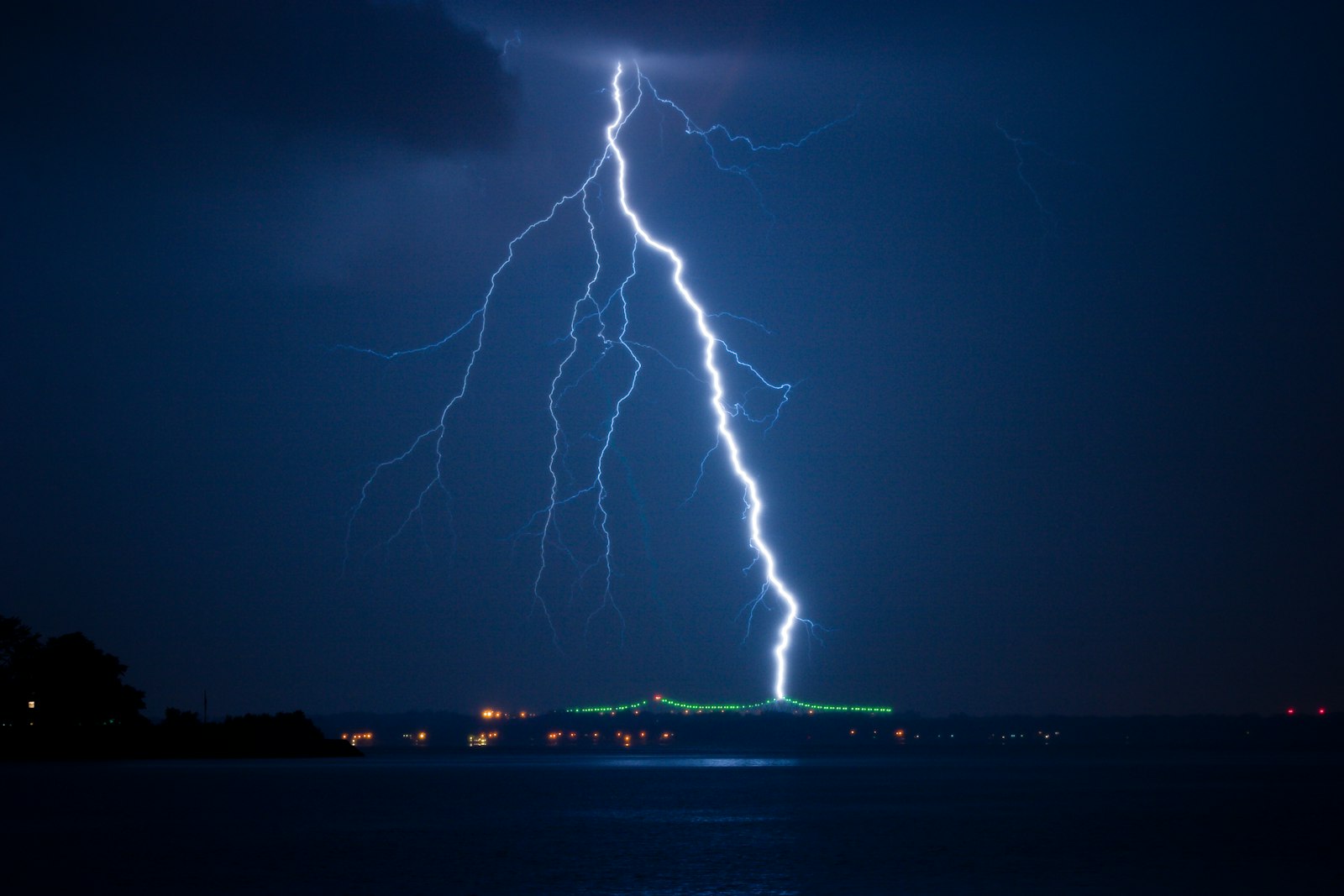
It's a 33-degree afternoon, the sky to the west turns that bruised green-grey, and within half an hour the wind is up and the hail is hitting the roof. Brisbane people know the drill.
What most people don't know is what to do about the solar panels on that roof. This guide covers what to do before a storm, what happens to your solar during a blackout, and how to stay safe afterwards.
The Bureau of Meteorology describes Queensland's severe weather season as running from October to April. For the east coast, including southern Queensland, the highest risk of severe thunderstorms is from October to December.
So if you're reading this in December, you're right in the thick of it. It's not too late to get ready.
Most of this takes an afternoon, and none of it needs a ladder.
Energex and the Electrical Safety Office suggest that when a cyclone, flood or severe storm is forecast, you shut down your solar system using the shutdown procedure provided by your installer. That's usually turning off the AC isolator at the switchboard first, then any other switches in the order listed on the label.
Only follow the procedure printed for your system, and only do it from the ground. If you're not sure of the steps, check with your installer or the manufacturer before storm day. Don't guess.
Quick tip: Take a photo of the shutdown procedure label and save it on your phone. If the power is out and it's dark, you'll be glad you did.
This catches lots of people out. The sun is shining, the panels are on the roof, but when the street loses power, so does your house.
That's by design. Grid-connected inverters in Australia must have anti-islanding protection under the inverter standard, AS/NZS 4777.2. When the grid goes down, the inverter detects it and disconnects within a couple of seconds.
The reason is safety. Energex crews may be working on the lines to restore power. If thousands of rooftop systems kept pushing power back into the network, those lines could be live when workers expect them to be dead.
A battery can keep some or all of your home running during an outage, but only if it's set up for backup. Not every battery system provides blackout protection, and backup usually needs extra equipment and wiring at installation.
Some systems back up the whole home. Others only cover selected circuits, such as the fridge, lights and internet. If backup matters to you, ask exactly what will and won't run during an outage before you buy.
For typical costs of solar and battery systems in Brisbane, see our Pricing Guide.

Once the storm has passed, it's tempting to go and check everything straight away. Slow down. Solar panels generate electricity whenever there's daylight, even if the grid is off and even if the system has been shut down.
Queensland's Electrical Safety Office advises:
Always assume fallen powerlines are live. Energex says to stay at least 10 metres away, warn others and report them straight away on 000 or 13 19 62. Watch for lines hidden under fallen branches.
Cracked glass, panels lifted by wind, branches on the array, or an inverter showing a fault can all be signs of damage. Don't touch them. Call a licensed electrician to make the system safe and assess what needs repairing.

If you think your solar has been damaged, good records make an insurance claim easier.
Quick tip: Take a few "before" photos of your panels, inverter and switchboard now, while everything is working. They're useful evidence if you ever need to claim.
Not on its own. Grid-connected inverters switch off when the grid goes down. You need a battery set up for backup to keep power on during an outage.
Large hail can crack panels. If you suspect damage, don't go on the roof. Take photos from the ground and get a licensed electrician to inspect it.
If anything looks damaged or wet, don't touch it. Call an electrician. If there's no visible damage, check the inverter display for error codes and contact your installer or an electrician before trying anything.
Call 000 or Energex on 13 19 62, and stay at least 10 metres away.
Advance Energy offers 24/7 emergency callouts across North Brisbane for storm damage, faults and safety checks. Josh can also check your solar, switchboard and safety switches before the next big storm rolls through. To talk about storm-proofing your system or adding battery backup, book your free energy assessment.
Related