
What a safety switch (RCD) does, how it differs from a circuit breaker, Queensland rules for new homes, sales and rentals, and how to test yours every three months.
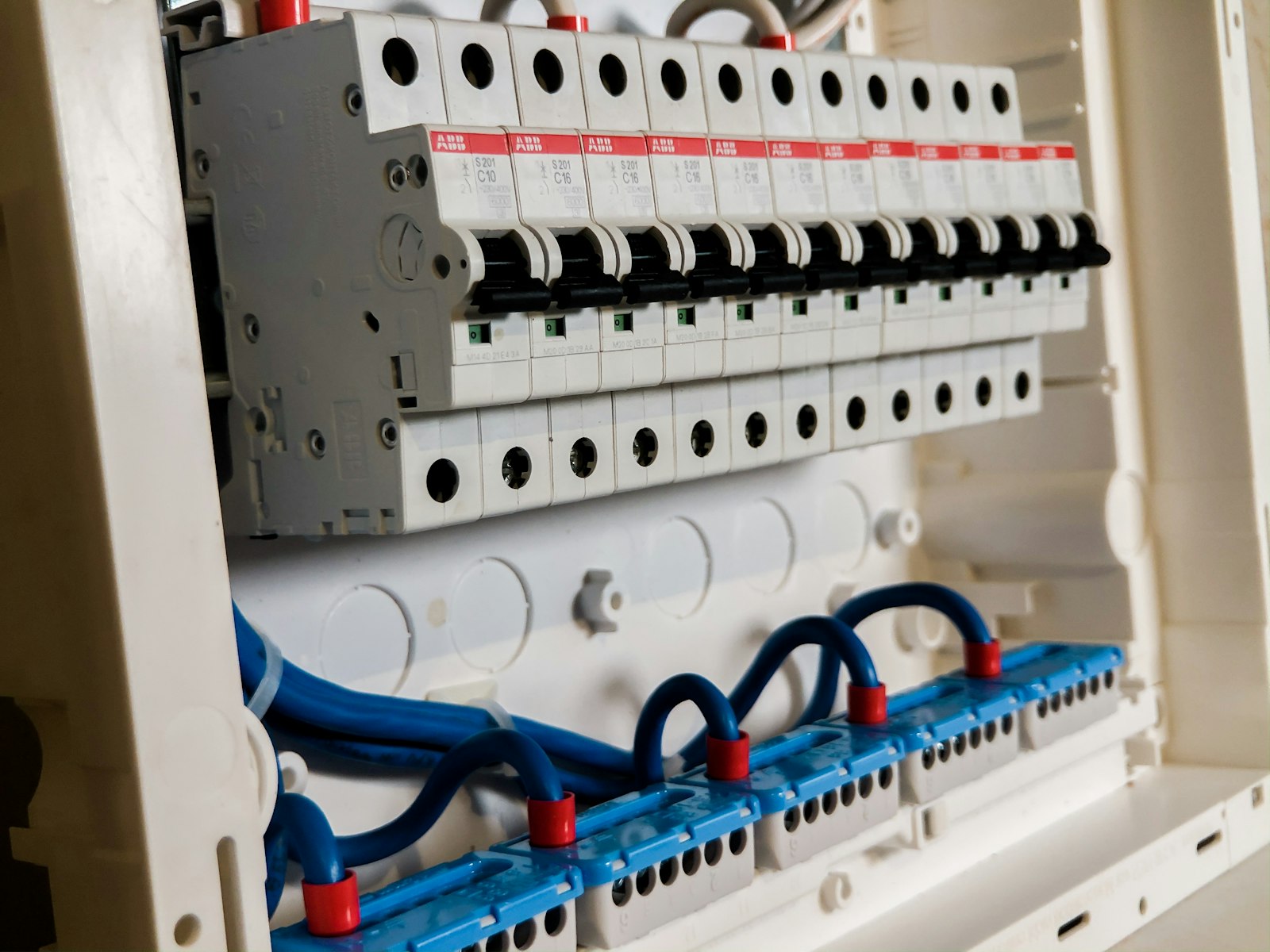
The power goes off, you head out to the meter box, and one switch is sitting in the down position. You flick it back up. It snaps straight back down. Cue the muttering.
It is tempting to see that switch as the problem. In reality, it is probably the most important safety device in your house, and it has just done its job.
Safety switches are one of those things everyone has heard of and few people really understand. Here is a guide to what they are, how they differ from circuit breakers, what Queensland law requires, how to test them, and why you should never, ever try to work around one.
A safety switch, known in the trade as a residual current device or RCD, constantly compares the electricity flowing out along a circuit with the electricity coming back. In a healthy circuit, those two amounts match.
If some of that current is leaking away to earth, for example through a damaged cable, a wet appliance or a person who has touched something live, the amounts no longer match. The safety switch detects the difference and cuts the power. Queensland's Electrical Safety Office says it does this within milliseconds, fast enough to greatly reduce the risk of serious injury or death from electric shock.
You can usually spot a safety switch on your switchboard because it has a small button marked "T" or "Test". The button may be blue, white, black or orange, and the switches themselves come in different shapes and sizes. If nothing on your board has a test button, there is a good chance you do not have any safety switches at all.
This is where a lot of people get caught out, because the two devices sit side by side on the board and can look almost identical.
A circuit breaker is built to react to overloads and large fault currents, not to the small leakage current that flows through a person during a shock. So a breaker on its own will not reliably protect you. The Electrical Safety Office puts it simply: only safety switches save lives.
The rules depend on when your home was built, and whether it is being sold or rented. Here is the summary based on Electrical Safety Office and WorkSafe Queensland guidance at the time of writing.
If you become the owner of a home that does not have approved safety switches protecting its general purpose power point circuits, you must have them installed within 90 days of becoming the owner. Sellers must also declare on the contract whether the power point circuits are protected, so check the contract when you buy.
Owners who rent out a home must have approved safety switches on all power point circuits. Under the current rules, the owner has 90 days after the tenancy agreement starts to make sure they are installed, although the Residential Tenancies Authority advises having it done as soon as practical. If you are a tenant and you are not sure, ask your property manager or owner.
Note that the legal minimum covers power point circuits. The Electrical Safety Office recommends that every home, owned or rented, has safety switches on all circuits, including lighting, air conditioning, the stove, hot water and pool equipment. One safety switch does not protect the whole house; it only protects the circuits it is connected to.
Quick tip: Look at the labels next to each safety switch on your board. If only one or two circuits are covered, ask an electrician whether the rest of the house can be protected too.
Safety switches are mechanical devices, and like anything mechanical they can stick or fail. The Electrical Safety Office recommends a push button test every three months. It takes about a minute:
If the switch does not trip, or the power does not go off, it has failed the test. Contact a licensed electrician straight away. A safety switch that does not trip is not protecting anyone.
An easy way to remember: test them when your quarterly power bill arrives, or set a recurring calendar reminder.
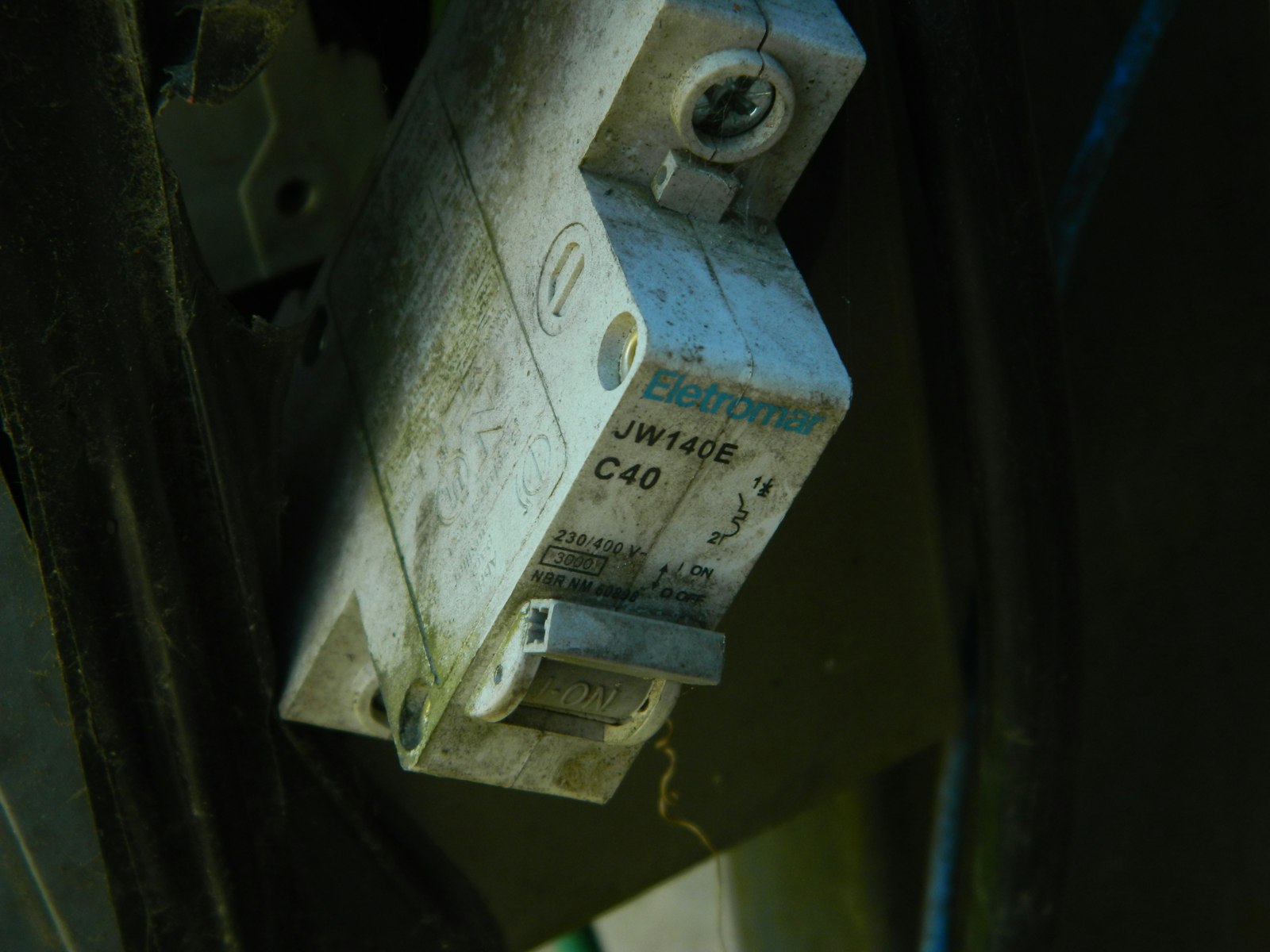
"Nuisance tripping" is the name people give to a safety switch that keeps cutting the power for no obvious reason. The name is a bit unfair, because in most cases the switch is reacting to something real. Common causes include:
There are a few safe checks a homeowner can make:
Do not go further than that. Opening power points, light fittings or the switchboard is electrical work, and in Queensland that is illegal unless you are licensed. If the tripping started after rain or storm damage, call an electrician rather than resetting it repeatedly. For more on storm season, see our guide to getting your solar ready before and after a storm.
We will say this plainly, because it matters: never bypass, bridge, tape down or disconnect a safety switch to stop it tripping.
A safety switch that trips is telling you there is current going somewhere it should not. Bypassing it does not fix that fault. It simply removes the one device that would cut the power if someone touched it. The Electrical Safety Office also notes that safety switches are not failsafe, so faulty equipment still needs to be repaired or replaced even when protection is in place.
If a safety switch keeps tripping and you cannot find an appliance at fault, that is a job for an electrician to trace properly. If it happens after hours and you have lost power to something essential, our emergency electrician service is available 24/7.

If you are adding solar, a home battery or an EV charger, the type and number of safety switches on your board matters. Some equipment needs a specific type of safety switch under the manufacturer's instructions or current wiring rules, and an older board may not have room for them. That is one of the reasons a switchboard check is part of any proper solar or battery assessment. Our page on switchboard upgrades explains when a new board makes sense.
Open the meter box and look for devices with a "T" or "Test" button. Those are safety switches. If you cannot see any, contact a licensed electrician, as your home may have no shock protection at all.
Usually not. A safety switch only protects the circuits connected to it. The Electrical Safety Office recommends protection on all circuits in the home, not just power points.
Water is probably getting into an outdoor power point, light, cable or appliance and causing current to leak to earth. Do not keep resetting it. Have an electrician find and fix the source.
The Electrical Safety Office says safety switches built to the current Australian standard are designed to handle thousands of tests and should last a long time unless there is a significant problem. The only way to know yours is working is to test it.
Josh is a licensed electrician who does every job himself. He can check which circuits in your home have safety switch protection, test that they work, track down a stubborn tripping fault and add protection where it is missing, without pushing a full switchboard replacement you do not need. Get in touch to book a visit.

Related