
Why Brisbane summer bills climb, what the aircon really costs to run, and how solar, a home battery and smart EV charging work together to cover it.
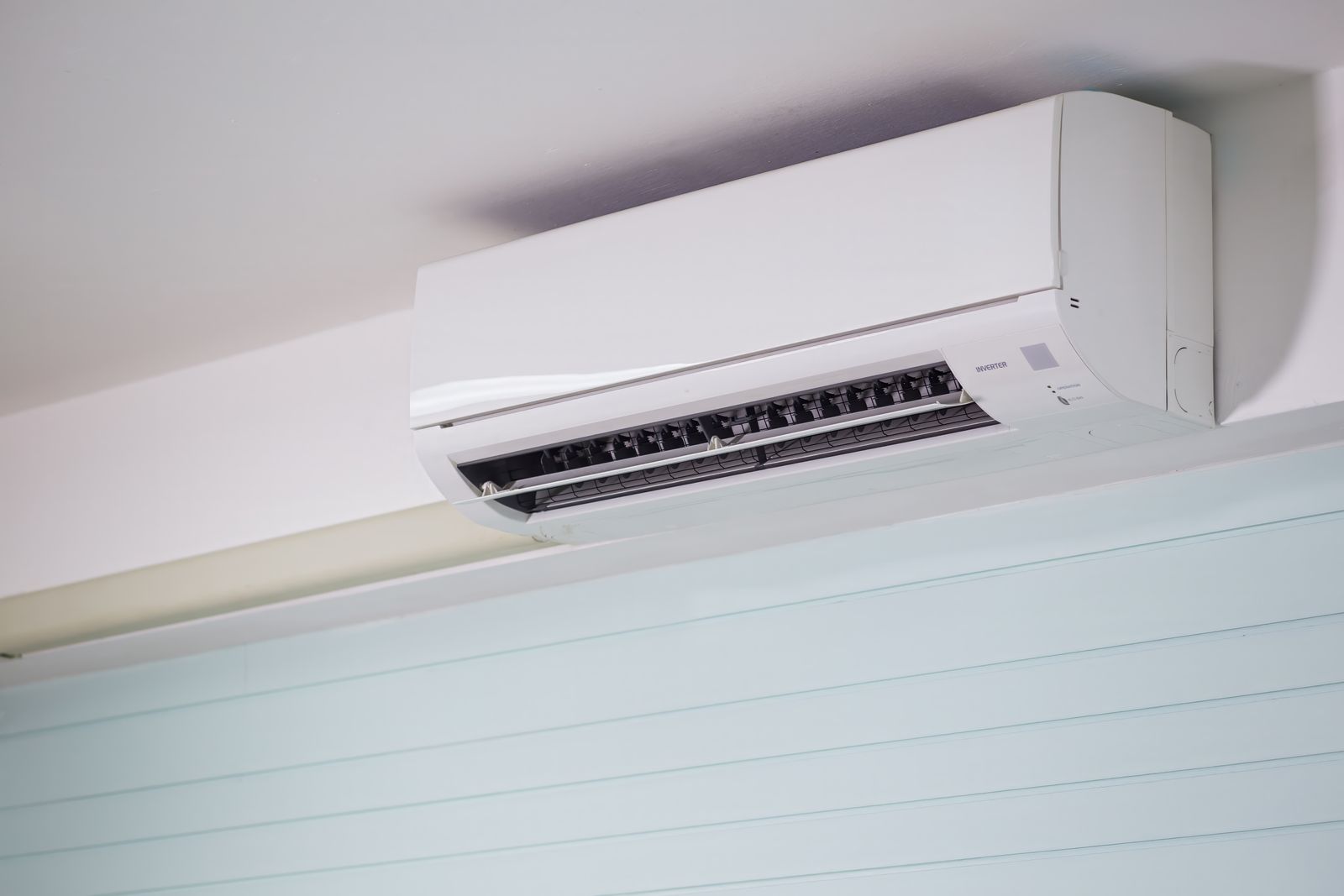
It is 6pm in late January. The thermometer on the back deck still says 31 degrees, the humidity is sitting on your shoulders, and every bedroom in the house wants the aircon on. The kids are home, dinner is cooking and the dishwasher is about to start. Three months later, the power bill arrives and confirms what you already suspected: summer is the most expensive time of year to run a Brisbane home.
You cannot do much about the weather. You can do a lot about where the power for your aircon comes from and when you use it. This guide explains why summer bills climb, how much an air conditioner really costs to run, and how solar, a home battery and smart EV charging can work together to cover a big share of it.
Three things stack up over a South-East Queensland summer.
That gap between cheap midday power and expensive evening power is where most of the savings in this article come from.
An air conditioner's "size" (for example 7 kW) describes how much heat it can move, not how much electricity it uses. A modern inverter split system moves several units of heat for every unit of electricity, so a 7 kW unit working hard might draw somewhere around 2 kW from your switchboard, and much less once the room is cool and it settles into a lower speed.
Here is a rough illustration, not a measurement of your home. Say a family runs a couple of split systems from 5pm to 11pm and together they average 1.5 kW over those six hours. That is about 9 kWh a night.
Older fixed-speed units, poorly sealed rooms and setting the temperature low all push that number up. Our guide to running the aircon this summer without blowing out your bill covers the settings and habits side. This article is about the hardware that pays for the cooling.
Brisbane's long summer days are a real asset. Your panels are producing strongly from mid-morning until mid-afternoon, which is also when the house starts heating up.
The simplest win is to pre-cool the house on solar. If someone is home, or your aircon has a timer or app, start cooling the main living area around 1pm to 3pm while the panels are pumping. Close blinds on the western side. By 4pm the house is already comfortable, and the aircon only needs to hold the temperature through the peak rather than fight a hot house from scratch.
A few points to keep in mind:

Pre-cooling helps, but the evening still needs power. This is where a home battery earns its keep. It stores midday solar that would otherwise be exported for a few cents and releases it between 4pm and 9pm, when grid power is at its most expensive.
When the team sizes a battery for a household with heavy summer cooling, two numbers matter.
Add up what the house uses from late afternoon until bedtime on a hot night. In our example, the aircon alone was about 9 kWh. Add cooking, lights, TVs, the fridge and the pool pump and many four-bedroom homes use 12 to 16 kWh in that window. That points towards a battery in the 13 to 16 kWh range rather than a small 5 kWh unit that would be flat by 7pm.
This is the one people miss. A battery and its inverter can only deliver so many kilowatts at a time. Two split systems, an oven, a kettle and a dishwasher running together can exceed what a smaller battery system can supply, and the shortfall comes from the grid at peak rates. When you compare quotes, ask for the continuous output in kW, not only the storage size.
Done well, the battery covers most of the evening, the grid tops up the gaps, and you stop paying peak rates for the bulk of your cooling.
Quick tip: If you have ducted aircon, ask whether it is single-phase or three-phase and how it would be handled. Large ducted systems can draw more than some battery setups can deliver, so the design needs to account for it.
An electric car adds a big new load, and summer is when it can collide with the aircon. Plug an EV into a 7 kW charger at 5:30pm on a hot evening and you can double the house's draw right in the peak window.
The fix is timing:
For the details on chargers, cables and running costs, see our guide to charging an EV at home in Brisbane.
Here is an example for a four-bedroom home with a 10 kW solar system, a 13.5 kWh battery and an EV that does around 40 km a day. These are round, illustrative numbers for a clear summer day. Real days vary with weather, the household and the equipment.
| Time | What happens | Where the power comes from |
|---|---|---|
| 6am to 9am | Breakfast, showers, aircon off | Battery remainder, then early solar |
| 9am to 1pm | Fridge, pool pump, laundry, dishwasher | Solar, with the battery charging from the surplus |
| 11am to 2pm | EV charges about 6 to 7 kWh | Solar surplus (or the free window on a Solar Sharer plan) |
| 1pm to 4pm | Pre-cool the living areas | Solar |
| 4pm to 9pm | Aircon, cooking, TVs, lights | Battery, with the grid covering any shortfall |
| 9pm to 6am | Bedroom aircon, fridge | Remaining battery, then the grid at shoulder rates |
A 10 kW system might produce somewhere around 40 kWh on a good summer day in Brisbane, less in storms or extreme heat. That is enough to run the house through the day, charge the car and fill the battery, with some left to export.
Using the same rough household:
Those figures are illustrations, not promises. Your tariff, usage, roof and equipment will change the answer, which is why we size every system from real bills. For typical installed prices and modelled payback, see our solar and battery pricing guide.

It depends on the battery, the inverter and how the backup is wired. Many systems back up selected "essential" circuits only, and large ducted aircon is often left off them. If keeping cool during a storm outage matters to you, say so at the design stage. Our article on battery backup in a blackout explains the options.
Not really. Free midday power suits loads you can shift into 11am to 2pm, like EV charging, the pool pump or a hot water timer. Your aircon still needs power in the evening, and that is where a battery helps. Some households use both, so it is worth comparing.
If your system is small and you rarely export much, more solar usually comes first. If you already export a lot during the day and your evening use is high, a battery is often the better next step.
No. The aircon cannot tell where the electricity comes from. Running it in the afternoon to pre-cool can mean it works less hard in the evening.
Every home cools differently. The team at Advance Energy will look at your bills, how many aircon units you run and when, your roof and your plans for an EV, then design solar, battery and charging that fits. You deal directly with the licensed electricians who do the work, not a salesperson. Book your free energy assessment.

Related